
How to Turn Every Abandoned Cart Into a Sales Conversation (Without Hiring More Staff)

Updated: Sep 29, 2025
Picture this: A customer loads up their cart with $200 worth of products, goes through half your checkout process, then vanishes. Sound familiar? You're not alone - the average cart abandonment rate sits around 70%, which means for every 10 potential sales, 7 walk away empty-handed.
But here's the thing: most of those "lost" customers aren't actually lost. They're just waiting for the right conversation to bring them back. The challenge? Having those conversations without hiring a team of sales reps to manually follow up with every single abandoner.
The good news is that modern AI and automation tools can turn every abandoned cart into an ongoing sales conversation, working 24/7 while your existing team focuses on bigger priorities.
The Real-Time Recovery Revolution
Gone are the days of hoping customers remember to come back on their own. Today's AI-powered systems track every micro-interaction before, during, and after cart abandonment.
They know which products your customer lingered on, how long they spent reading reviews, whether they tried applying discount codes, and the exact second they decided to bail.
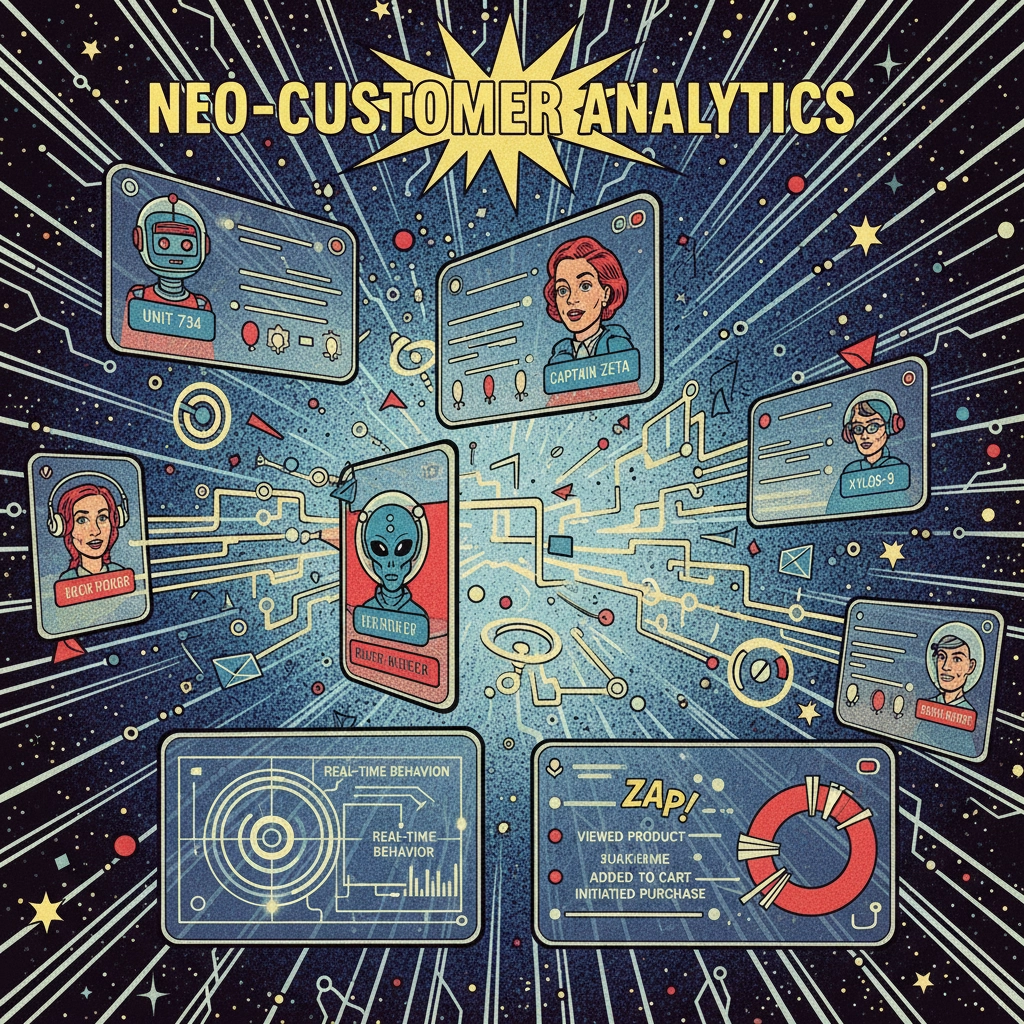
When someone abandons a cart, intelligent systems immediately spring into action. But unlike the old "blast everyone the same generic email" approach, these systems analyze each customer's behavior to determine the perfect recovery strategy.
Smart segmentation happens instantly. New visitors might get a gentle welcome message with free shipping. Returning customers with high lifetime value could receive exclusive early access to new products. Price-sensitive shoppers get strategic discounts, while loyal customers might just need a friendly reminder with their payment info already filled in.
The beauty is that all of this happens automatically, without anyone on your team lifting a finger.
Multi-Touch Sequences That Actually Work
Instead of sending one desperate "You forgot something!" email, automated systems deploy carefully orchestrated sequences. Think of it as a conversation that unfolds over time:
Message 1 (within 1 hour): "Quick checkout reminder" - Simple, helpful, no pressure. Just making it easy to complete their purchase with one click.
Message 2 (after 6 hours): Social proof and reviews - "See what others are saying about the items in your cart." Sometimes people just need that extra confidence boost.
Message 3 (after 24 hours): Strategic urgency or incentive - "Limited stock alert" or "Here's 10% off to sweeten the deal."
But here's where it gets really smart: these sequences adapt based on engagement. If someone opened the first email but didn't click, the second one tries a different angle. If they clicked through but still didn't buy, the third message addresses common purchase barriers like payment options or return policies.
Platforms like Klaviyo let you set up these workflows once, then they run automatically for every abandoner. It's truly "set it and forget it" marketing.
Dynamic Personalization at Scale
Every recovery message feels personally crafted, even though it's completely automated. Each email dynamically pulls in the customer's specific cart contents, automatically suggests related products based on their browsing history, and even learns their preferred communication times.

Timing optimization is huge. The AI learns that Sarah always opens emails around 9 PM, so her recovery sequence gets delivered then. Meanwhile, Mike engages during lunch breaks, so his messages arrive at noon. This level of personalization would be impossible to do manually, but automation makes it effortless.
The personalization goes deeper too. If someone abandoned a cart full of winter gear, the follow-up might include styling tips or weather-based urgency ("Snow storm coming this weekend!"). For tech products, it might highlight warranty information or setup guides.
Retargeting: Following Customers Across the Web
While email sequences work in the background, retargeting ads ensure your products stay top-of-mind across the entire web. Google Ads remarketing automatically shows personalized ads to cart abandoners as they browse other websites, search on Google, or scroll through their favorite apps.
The setup is straightforward: add a tracking pixel to your cart and checkout pages, and Google's algorithms handle the rest. When someone abandons their cart, they automatically start seeing tailored ads featuring their exact products, special offers, or related items.
The key is automation. These campaigns run themselves, adjusting bids and targeting based on performance without requiring constant management from your team.
Prevention: Stopping Abandonment Before It Happens
Smart businesses don't just focus on recovery - they work to prevent abandonment in the first place. And yes, this can be automated too.
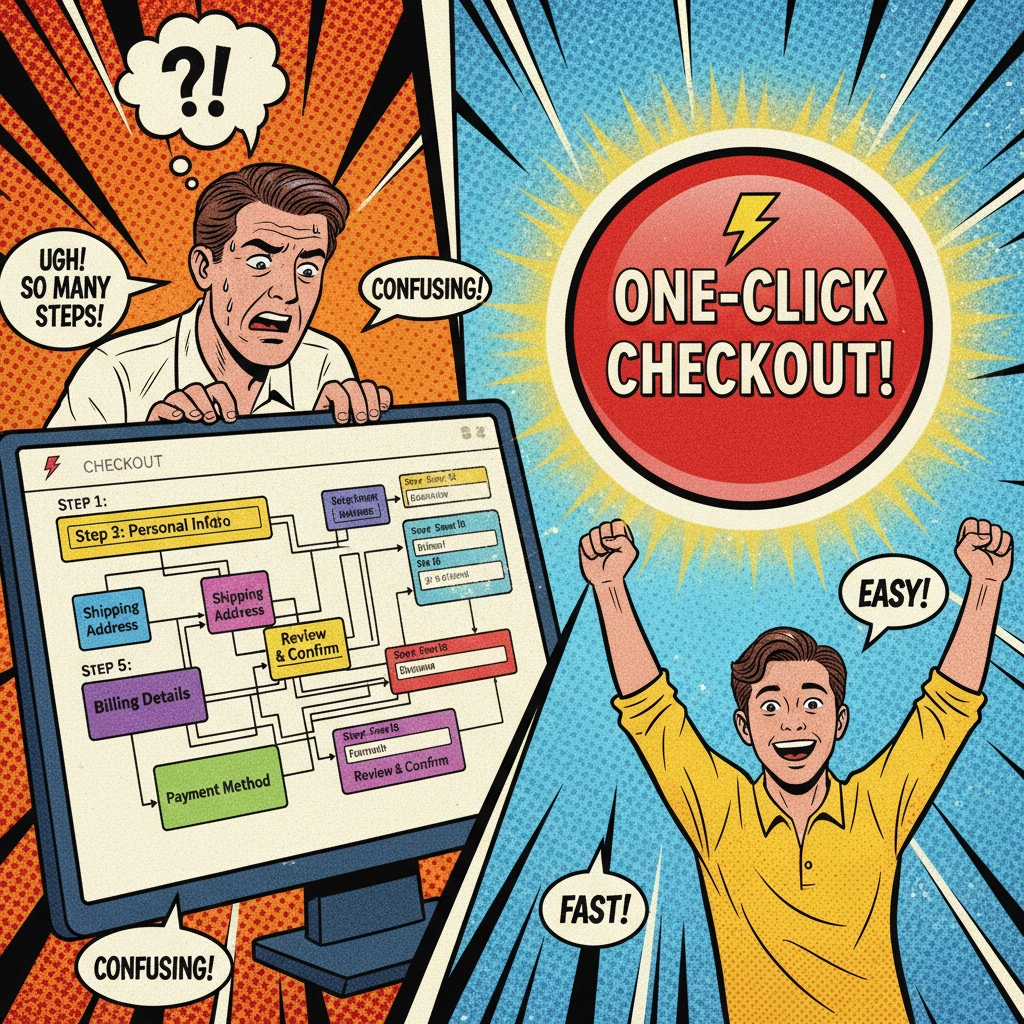
Streamlined checkout processes are your first line of defense. Research from the Baymard Institute shows that 18% of users abandon carts due to complicated checkout processes. Auto-filling address fields, offering guest checkout, and minimizing form fields can dramatically reduce abandonment without any ongoing effort from your team.
Exit-intent popups can automatically detect when someone's about to leave and offer immediate incentives or address common concerns. These aren't annoying interruptions when done right - they're helpful last-chance conversations.

Real-World Success: How Automation Scales
Take Ryderwear, a global fitness apparel brand that completely transformed their cart recovery approach. Instead of manually tracking abandoned carts and sending generic follow-ups, they implemented automated workflows that:
Segment abandoners based on customer history and behavior
Trigger personalized email sequences with perfect timing
Adapt messaging based on cart value and customer lifetime value
Scale effortlessly as their business grew
The result? They significantly increased their email marketing revenue contribution while actually reducing the manual work required from their team. The automation handled the repetitive tasks while their staff focused on strategic initiatives and customer experience improvements.
Advanced Tactics for Maximum Recovery
Progressive incentives work incredibly well when automated. Start with convenience (one-click checkout), move to social proof (customer reviews), then escalate to incentives (discounts or free shipping) only if needed. This maximizes profit while still recovering sales.
SMS integration adds another touchpoint to your automated sequences. Text messages have incredibly high open rates and feel more personal than emails. When someone abandons a high-value cart, an automated SMS saying "Almost forgot! Your items are still waiting" can be the nudge they need.
Cross-channel coordination ensures your recovery efforts work together instead of competing. When someone receives your email sequence, your retargeting ads automatically adjust to complement those messages rather than repeating them.
Setting Up Your Automated Recovery System
The beauty of modern cart recovery is that it doesn't require a complete overhaul of your existing systems. Most e-commerce platforms already integrate with tools like:
Email automation platforms (Klaviyo, Mailchimp, Omnisend)
Retargeting tools (Google Ads, Facebook Ads Manager)
SMS marketing platforms (SMSBump, Postscript)
AI-powered personalization engines
Start with basic automated email sequences, then layer on additional channels and personalization as you see results. The key is building systems that work harder than your team ever could, but without replacing the human touch where it matters most.
The Bottom Line
Turning abandoned carts into sales conversations doesn't require hiring more staff - it requires smarter systems. When you automate the repetitive parts of customer engagement, your existing team can focus on strategy, customer experience, and growth initiatives that actually move the needle.
The most successful businesses aren't necessarily the ones with the biggest teams. They're the ones that leverage technology to have more meaningful conversations at scale. Your abandoned cart recovery system should work like your best salesperson - knowledgeable, persistent, helpful, and available 24/7.
With the right automated systems in place, every abandoned cart becomes an opportunity for an ongoing conversation that can recover that sale, build customer loyalty, and create long-term value - all without adding to your payroll.
Comments