
Database Reactivation vs New Lead Generation: Which Pulls More Revenue in 2025?

Here's a question that keeps business owners up at night: Should you spend your marketing budget chasing brand new leads, or focus on waking up the contacts already sitting in your database?
The answer might surprise you. While most companies pour 80% of their marketing dollars into new lead generation, the smart money is increasingly flowing toward database reactivation. And the numbers back it up in a big way.
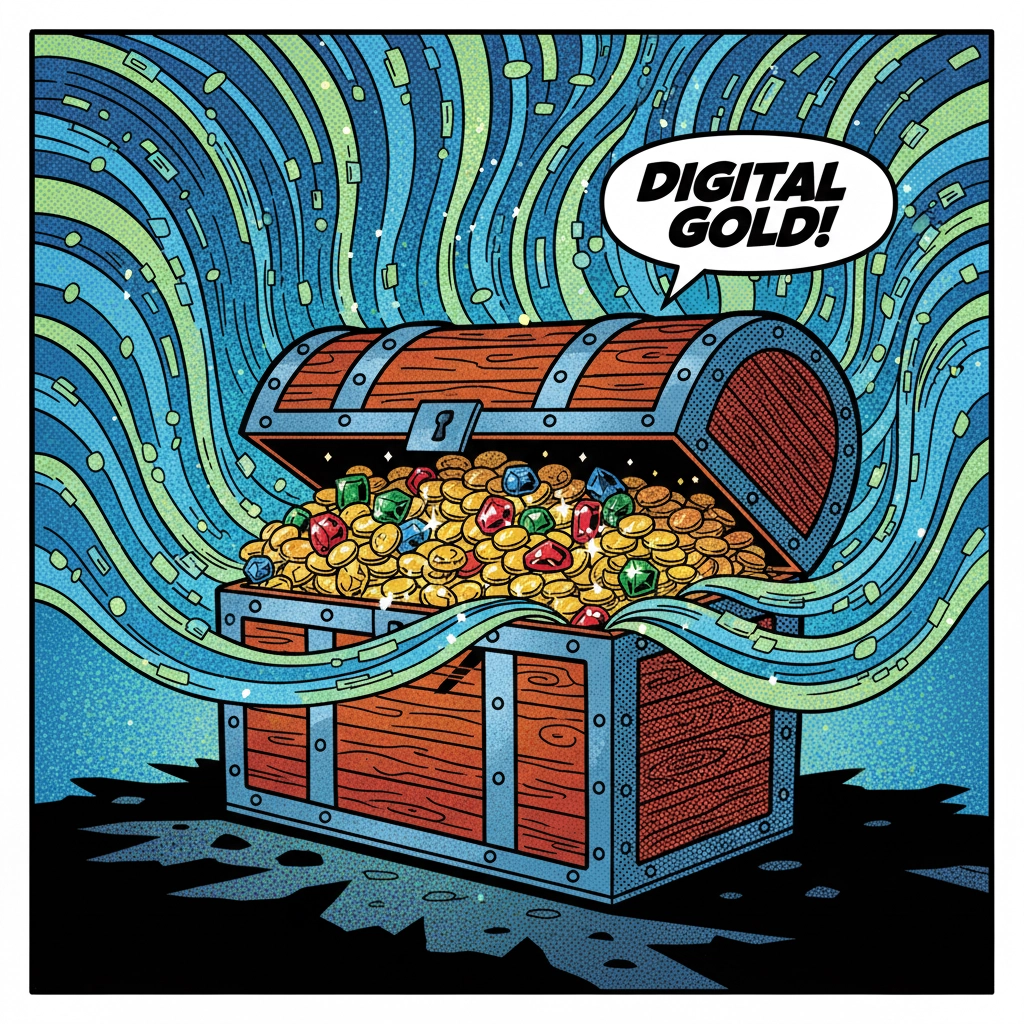
The Hidden Goldmine in Your Database
Your existing database isn't just a collection of old contacts. It's a revenue goldmine that most businesses completely ignore. Here's what the data tells us: acquiring a new customer costs 5-7 times more than reactivating an existing one. That's not a small difference - that's a business-changing gap.
But here's where it gets really interesting. When you sell to an existing customer (including reactivated ones), your success rate jumps to 60-70%. Compare that to cold prospects, where you're looking at a measly 5-20% success rate. The math is brutal, but it's also opportunity.
Think about it this way: every contact in your database already knows who you are. They've interacted with your brand, shown interest, or even made a purchase before. That familiarity is worth its weight in gold because it eliminates the biggest hurdle in sales - getting someone to trust you enough to listen.
The Real Numbers Behind Database Reactivation
SMS-driven reactivation campaigns are delivering 10-20X ROI within the first 30-60 days. That's not a typo. We're talking about returns that make even the best stock picks look conservative.
Most businesses successfully recover 10-25% of their previously inactive leads, converting them into paying customers. And here's the kicker - reactivated leads convert at 1.5-3 times the rate of brand new leads going through the exact same sales process.
Real businesses are seeing real results. A home improvement company took 5,000 dormant leads and generated $127,000 in new business within 21 days. A B2B software company closed $215,000 in previously abandoned opportunities within their first month of reactivation efforts.
The cherry on top? Reactivated customers typically spend 25% more on their first purchase back compared to their previous average order value. So not only are they easier to convert, they're also more valuable.
New Lead Generation: Still Essential, But Expensive
Don't get me wrong - new lead generation isn't dead. It's just expensive and inefficient compared to reactivation. But it serves a crucial purpose that reactivation can't: unlimited growth potential.

Modern AI-powered lead generation tools are making the process more efficient, cutting qualification time by 30% and increasing lead accuracy by up to 77%. Targeted lead generation through optimized funnels can yield 133% more revenue compared to non-optimized approaches.
The lead generation market is growing fast - projected to reach $21.43 billion by 2033, with a 17.48% annual growth rate. This reflects increasing sophistication in tools and tactics, making new lead generation more effective than ever before.
But here's the reality check: the mean cost per lead across all industries is $198.44, and that's just to get someone to raise their hand. You still need to convert them, which happens at that painful 5-20% rate we mentioned earlier.
The Cost Reality Nobody Talks About
Let's do some quick math. If you spend $10,000 on new lead generation at $198 per lead, you get about 50 leads. With a 15% conversion rate, that's 7.5 customers for $10,000, or roughly $1,333 per customer acquisition.
Now take that same $10,000 and apply it to database reactivation. Even with generous estimates for SMS costs, outreach tools, and time, you might spend $2-5 per contact. That's 2,000-5,000 reactivation attempts. With a 15% recovery rate and 60% conversion rate of those recovered contacts, you're looking at 180-450 new customers. That's $22-55 per customer acquisition.
The difference is staggering. And this assumes your reactivation campaigns only perform at average levels.
When Database Reactivation Makes the Most Sense
Database reactivation is your secret weapon when you need immediate cash flow with minimal investment. The 10-20X ROI in the first month makes it perfect for generating quick revenue during slow periods or funding other business initiatives.

It's also ideal when budget constraints limit your marketing spend. When every dollar matters, reactivation's dramatically lower cost per acquisition maximizes your returns. If you've invested heavily in lead acquisition over the years but let contacts go cold, you're essentially leaving money on the table.
Companies with substantial dormant databases (1,000+ inactive contacts) should implement reactivation campaigns immediately. The larger your sleeping database, the bigger the potential windfall.
When New Lead Generation Takes Priority
New lead generation becomes essential when your growth targets exceed what your existing database can deliver. If you're aiming for 25-30% annual growth or more, you'll likely exhaust your reactivation potential and need fresh lead sources.
Geographic expansion, new product launches, or entering different market segments all demand new lead generation. You can't reactivate contacts you don't have, and expanding into new markets requires building awareness and trust from scratch.
If your reactivatable database is small or largely exhausted from previous campaigns, continued growth depends entirely on new lead sources.
The Winning Strategy for 2025
The smartest approach combines both strategies strategically. Here's what successful companies are doing:
Phase 1: Database Reactivation Blitz Allocate 60-70% of your initial marketing efforts to database reactivation. Generate quick wins, improve cash flow, and fund future initiatives with the results.
Phase 2: Sustainable Growth Mix As reactivation yields diminish over successive campaigns, gradually shift resources toward lead generation while maintaining quarterly reactivation campaigns for newly dormant contacts.
Phase 3: Optimization Loop Use insights from reactivation campaigns to improve new lead nurturing processes. The messaging that works for reactivation often works brilliantly for new leads too.
The Bottom Line
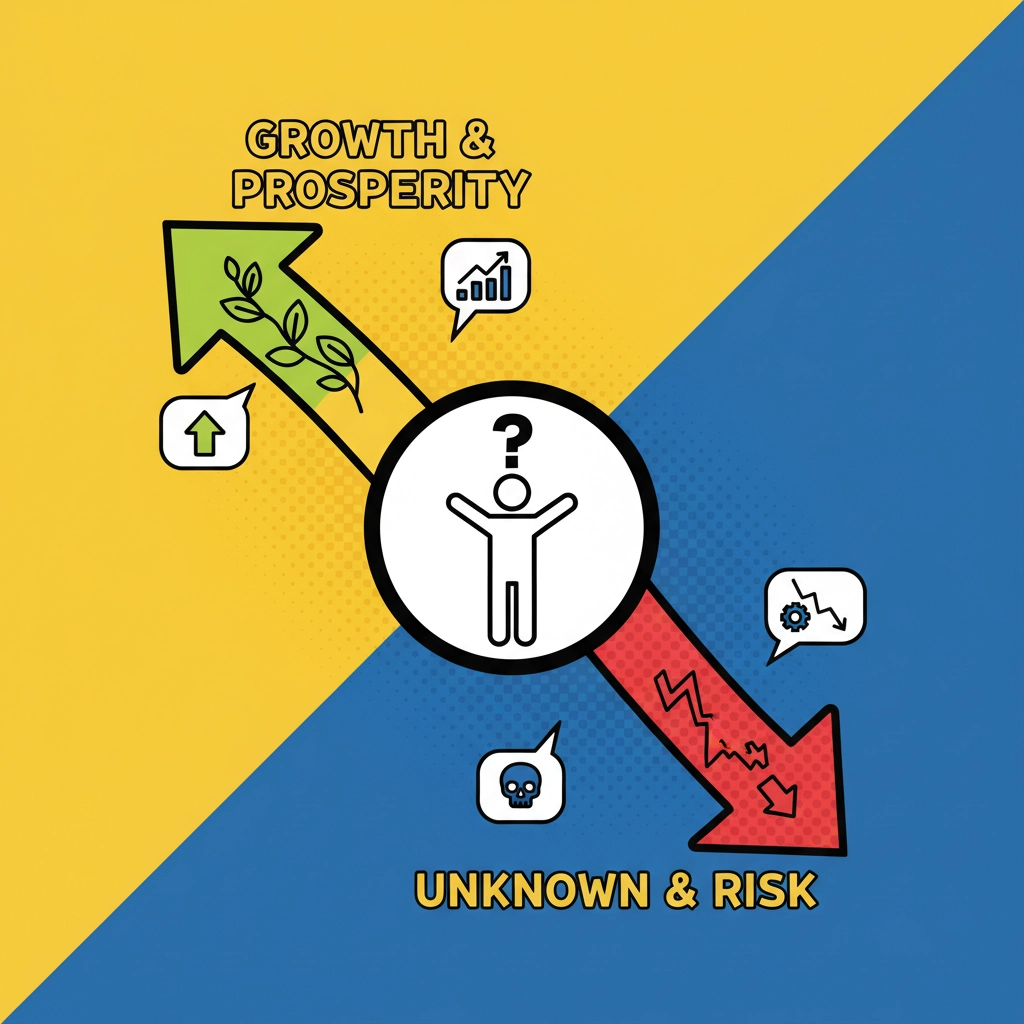
Database reactivation wins on pure ROI metrics, but new lead generation remains essential for long-term growth. The businesses dominating 2025 aren't choosing one or the other - they're using reactivation to fund expansion and lead generation to fuel future reactivation campaigns.
Increasing customer retention by just 5% can boost profits by 25-95%. When you combine reactivating dormant contacts with preventing new contacts from going cold through better nurturing, you create the ultimate revenue maximization strategy.
Your database isn't just a contact list. It's your highest-ROI marketing channel, waiting to be activated. The question isn't whether database reactivation outperforms new lead generation - the question is how quickly you can implement both strategies to maximize your revenue potential.
Start with what you have. Wake up that sleeping database, then use the profits to fund your next wave of growth through strategic lead generation. That's how you win in 2025.
Comments