
70% Cart Abandonment Rate Got You Down? 7 AI-Powered SMS Tricks That Actually Work

Updated: Sep 28, 2025
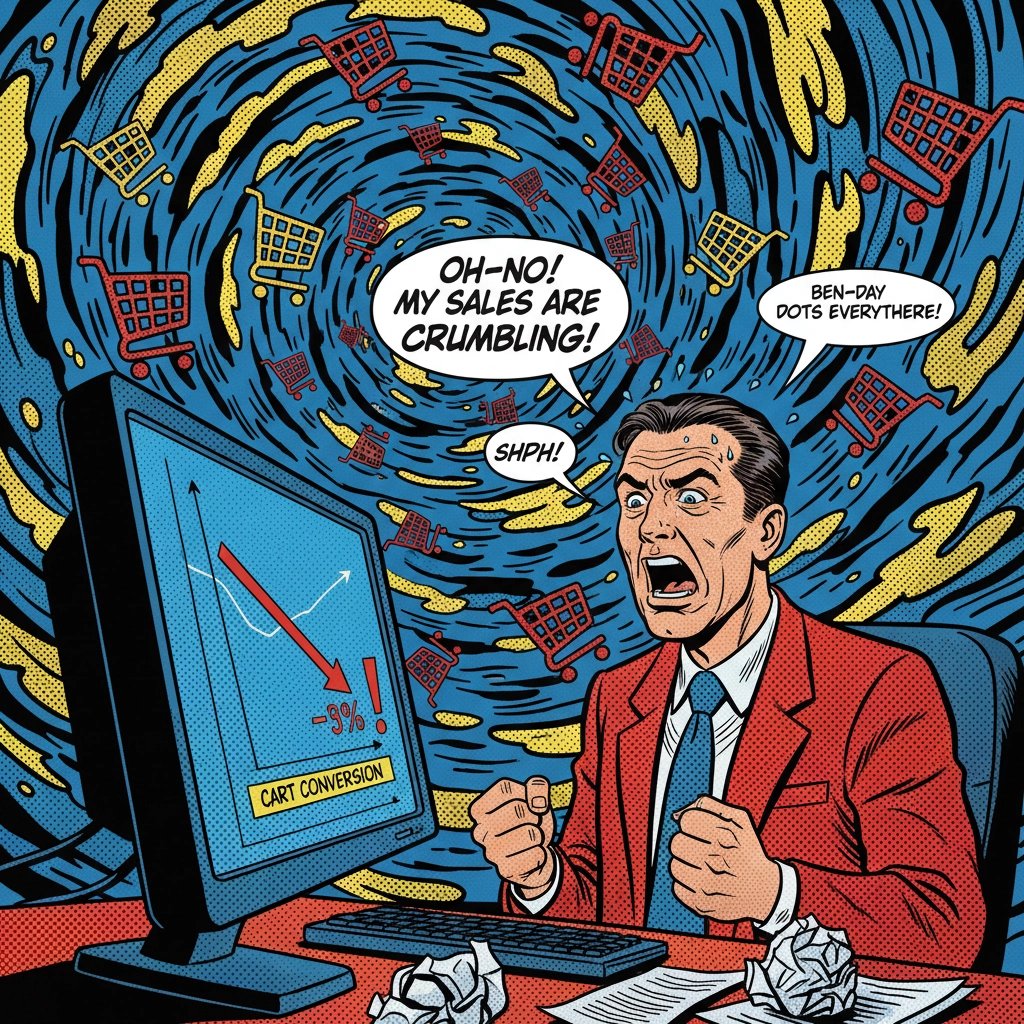
That 70% cart abandonment rate staring at you from your analytics dashboard? You're not alone. Recent studies show the average cart abandonment rate sits right around 70.22%, making it one of the biggest revenue leaks in e-commerce.
But here's the thing most store owners miss: those "abandoned" customers aren't lost causes. They're warm leads who showed real buying intent. They found your products, added them to cart, and got within one click of purchasing.
The question isn't whether you can recover these sales. It's whether you're using the right approach to bring them back.
SMS emerges as the clear winner for cart recovery, boasting a 98% open rate within 3 minutes compared to email's 20% open rate. When someone abandons their cart on mobile (which accounts for the majority of abandonments), you're reaching them on the same device where they made that decision.
The Real Problem With Most Cart Recovery Attempts
Most businesses treat cart abandonment like a technical problem that needs a technical solution. They set up generic email sequences, maybe add some retargeting ads, and call it a day.
But cart abandonment is a human problem. Someone had a question, concern, or hesitation that stopped them from buying. They need a human conversation, not another automated email.
That's where AI-powered SMS comes in. It combines the immediacy of text messaging with the intelligence to have real conversations about what stopped the sale.
How Smart SMS Cart Recovery Actually Works
Here's what happens behind the scenes with an effective AI SMS system:
Your Shopify store sends an alert the moment someone abandons their cart. Within minutes, that person gets a text message that feels personal and conversational, not robotic.
The AI bot knows exactly what they were looking at, understands your entire product catalog, and can have intelligent conversations about alternatives, concerns, and objections.
Most importantly, it follows proven sales methodologies like SPIN selling to keep conversations focused and productive.
7 SMS Tricks That Turn Abandoners Into Buyers
1. Lead With Permission, Not Products
The first message isn't about the abandoned item. It's about getting permission to help.
"Hey [Name], I noticed you were checking out our [Product]. My manager asked me to reach out - can I offer you a discount code? 😉"
This approach feels human and helpful, not pushy. You're positioning yourself as someone who can solve problems, not just push products.
2. Offer Value Before Asking Questions
Don't interrogate someone about why they didn't buy. Lead with value first.
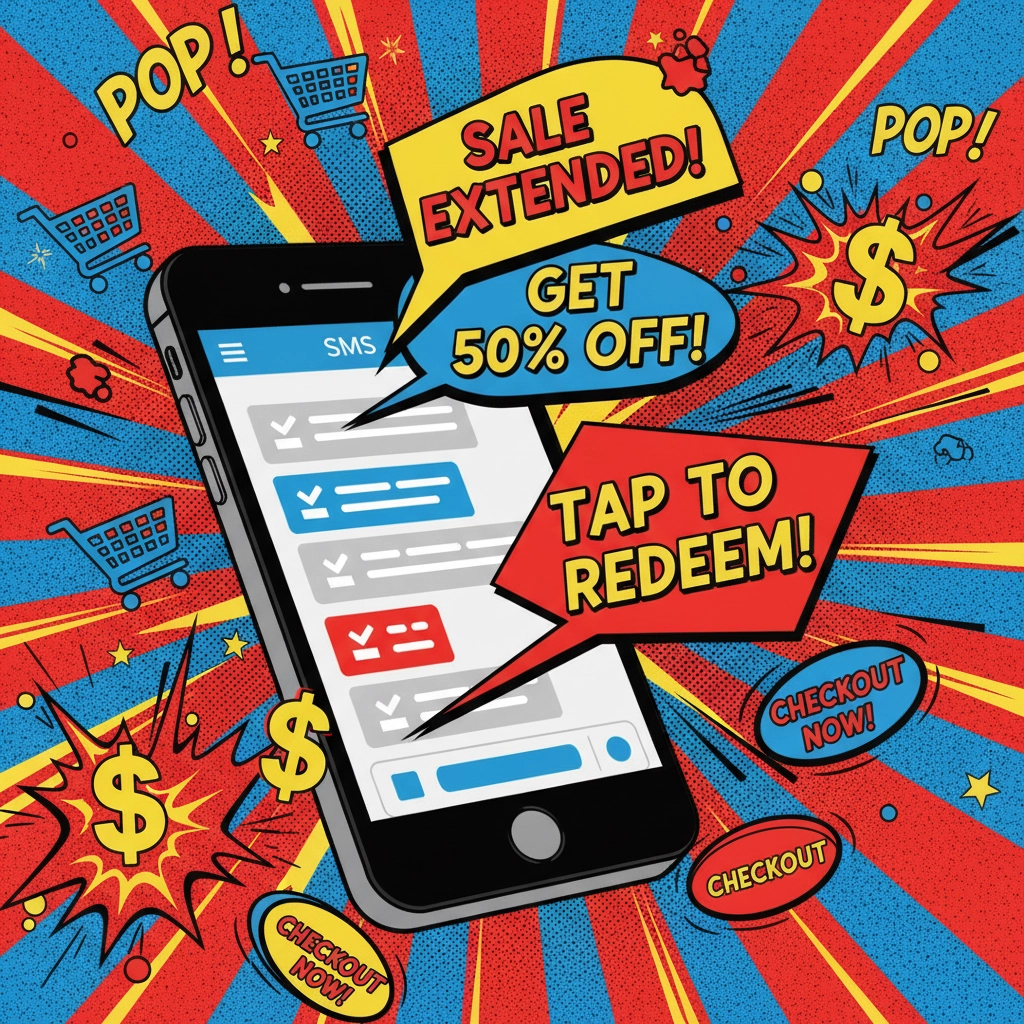
Immediately offer a discount code (like "Quick10" for 10% off) along with the direct checkout URL. Many people abandon simply because they got distracted or needed to think about it. A small nudge with immediate value often closes the sale.
3. Use SPIN Methodology for Objection Discovery
When someone isn't ready to use the discount and checkout immediately, that's when your AI bot shifts into discovery mode.
Instead of generic "Why didn't you buy?" questions, it uses targeted inquiry:
"What made you step away from completing your order?"
"Was the price point where you were hoping it would be?"
"Is this something you're looking to use soon, or were you planning ahead?"
"Was there something specific about [product name] that didn't feel right?"
These questions uncover the real objection so you can address it directly.
4. Provide Product URLs, Don't Ask Permission
Here's a mistake most businesses make: they ask "Would you like me to send you the link?"
Don't ask. Assume the sale and provide value immediately.
When recommending alternatives or addressing objections, always include the full product URL. Make it as easy as possible for them to take action.
5. Give Reasons Why for Every Recommendation
People don't buy products. They buy reasons.
When suggesting alternatives based on their objections, always explain your reasoning:
"If I were you, I'd go with [alternative product] because it addresses the sizing concern you mentioned and it's currently 15% off."
This "reason why" approach builds trust and shows you're listening to their specific needs.
6. Create Natural Urgency Without Being Pushy
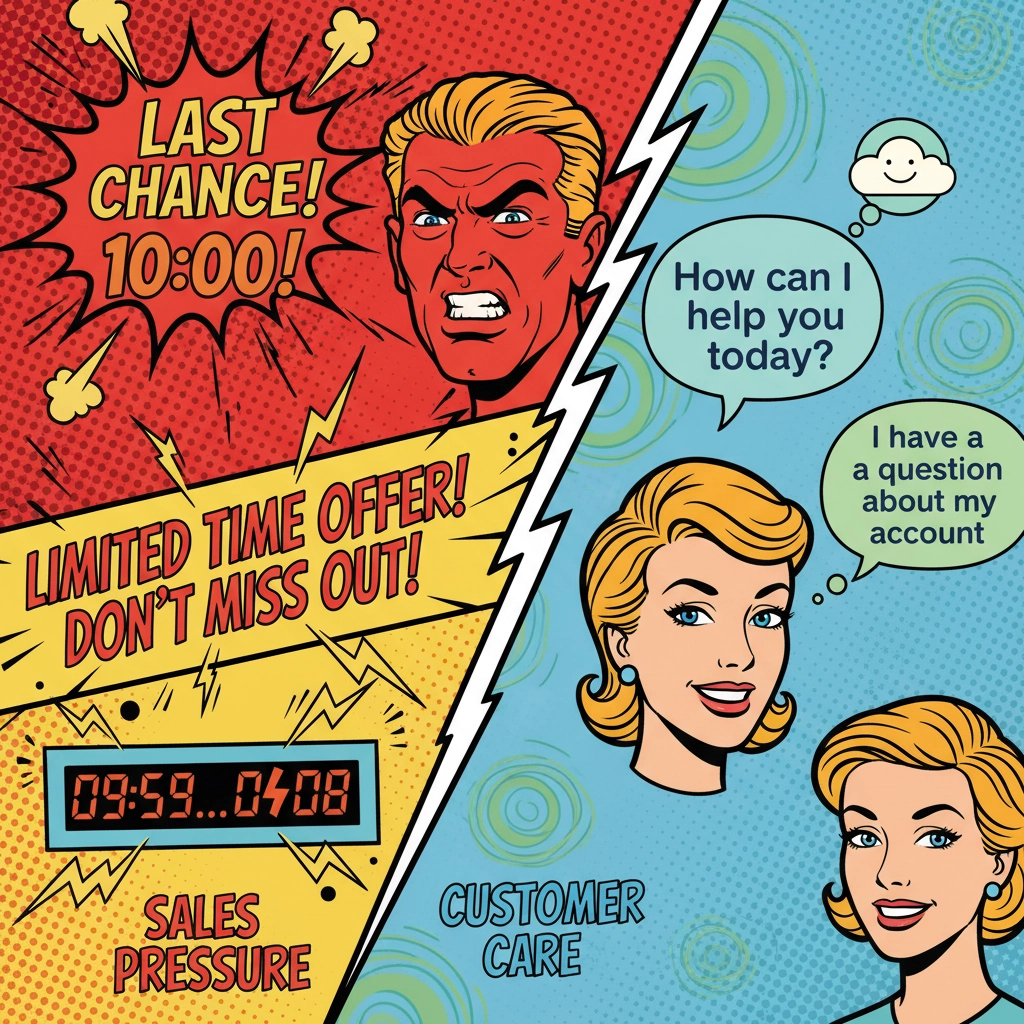
Instead of fake countdown timers, create urgency through genuine scarcity or opportunity:
"Let me know if you have questions or want me to find some even better deals for you 😉"
"Great, I'll reach out when this item comes back in stock" (for out-of-stock situations)
This keeps the door open for future conversations while creating a sense that opportunities might not last forever.
7. Know When to Pivot to Human Support
Your AI bot should know its limitations. When someone asks about order tracking, complex technical questions, or needs support the bot can't handle, it immediately directs them to human help.
"I'm in admin right now, but our support team can help you with that. Email them at [support URL]."
This prevents frustrating conversations and maintains trust by being transparent about capabilities.
The Conversation Flow That Converts
Here's how these tricks work together in a real conversation:
Initial SMS: Permission-based outreach with discount offer If interested: Provide URL and discount code immediately If hesitant: Discovery questions to uncover objections Address objections: Recommend alternatives with reasons why Close: Provide URLs and create natural urgency Follow up: Explore upsell opportunities or schedule future contact
The entire flow feels conversational, not transactional. You're solving problems, not just recovering carts.
Why This Approach Outperforms Everything Else
Traditional cart abandonment emails get lost in crowded inboxes. Retargeting ads feel impersonal and can be annoying.
SMS cuts through the noise. It's immediate, personal, and conversational. When done right, it doesn't feel like marketing - it feels like helpful customer service.
The AI component means you can have these conversations at scale while maintaining the personal touch that drives conversions.

Making It Work for Your Store
The key is training your AI bot on your specific products, brand voice, and common customer objections. Generic templates don't work because every product and customer base is different.
Your bot needs to understand your inventory, pricing, shipping policies, and return procedures. It should sound like your brand and address the specific concerns your customers actually have.
Most importantly, it needs to follow proven sales methodologies, not just throw out random promotional messages.
The Bottom Line
That 70% cart abandonment rate represents massive untapped revenue sitting in your database. These aren't cold leads - they're warm prospects who already showed buying intent.
The businesses winning at cart recovery aren't using better technology. They're using better conversations.
AI-powered SMS gives you the ability to have those conversations at scale, addressing individual concerns and objections while maintaining the human touch that actually drives sales.
Stop treating cart abandonment like a technical problem. Start treating it like the sales opportunity it actually is.
Want to see how AI-powered SMS automation could work for your store? The math is simple: even recovering 10% of those abandoned carts could dramatically impact your bottom line.
Comments